Haiku
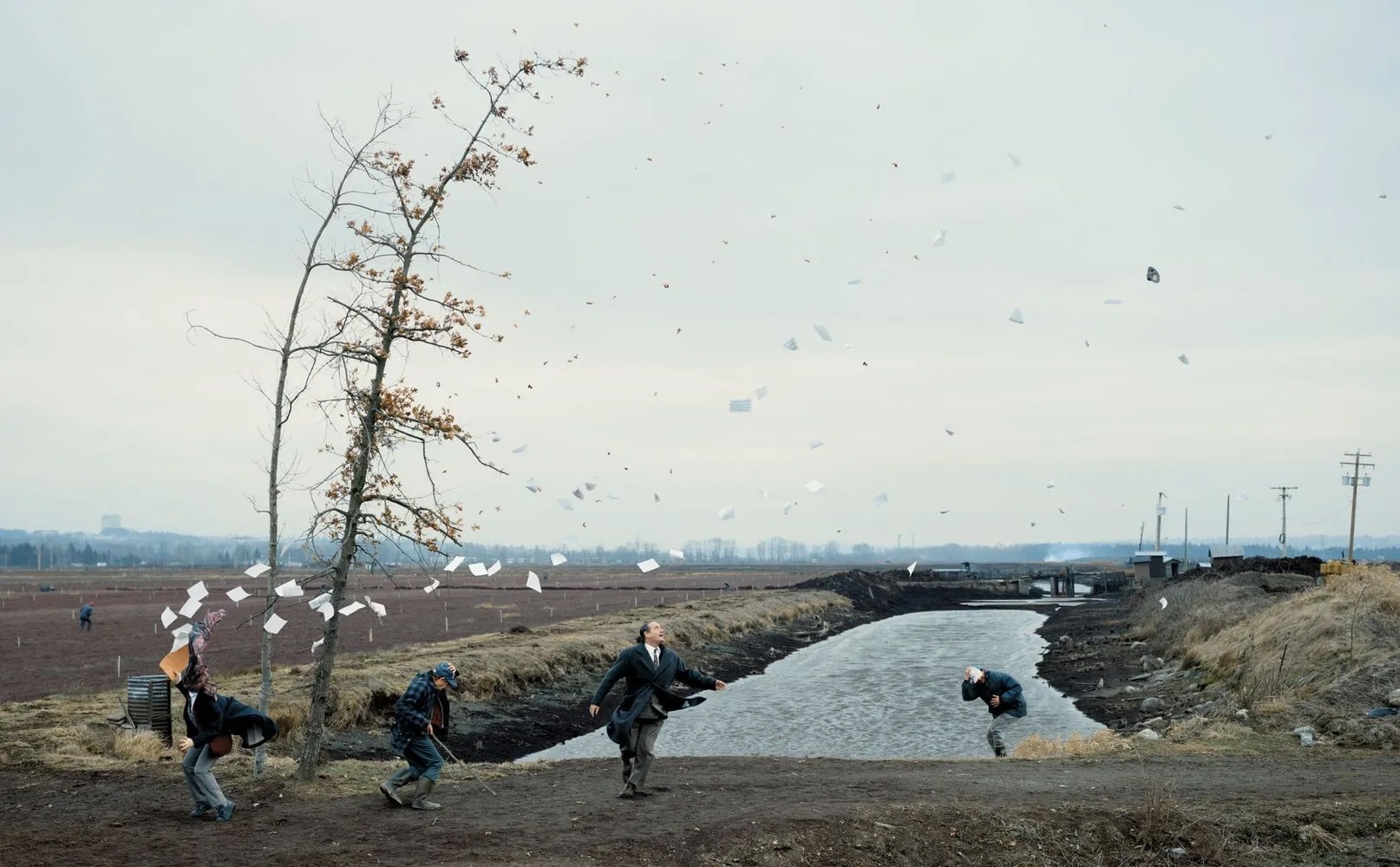
Haiku, I learned, developed from a type of linked verse known as haikai, which itself developed from a linked verse called renga. Haikai were vulgar entertainment full of jokes and wordplay about the everyday while renga were refined poems about courtly matters composed by groups of poets in temples or shrines. Both haikai and renga used something called a hokku as the opening verse. Composed of a single line, the hokku set the tone for the poem by using a seasonal word called a kigo. For example, moon would signify autumn and flower would signify spring. Because of its importance to the renga, the hokku was often left to the most honored poet of the group to make it as elegant as possible. For people writing haikai, the hokku was more like a punchy limerick. No surprise then that they eventually wrote hokku independently. Over time, these strange poems were called haiku.
Bashō was the first to elevate haiku to a high art form. His poems were about frogs and barley, but they were also about transience, simplicity, beauty, loneliness, and frogs. He kept his language purposely light, saying in a letter to a friend:
All this is what Hiroaki Sato tells us in On Haiku, his book of essays that includes many translations not found elsewhere.
Favorites are in his survey of haiku written by women:
Others in his exploration of wartime haiku:
Bashō was the first to elevate haiku to a high art form. His poems were about frogs and barley, but they were also about transience, simplicity, beauty, loneliness, and frogs. He kept his language purposely light, saying in a letter to a friend:
“The style I think of now is like looking at a shallow sandy river, being light both in the shape of a piece and in the heart following it. Haiku is meaningful when you reach that point.”
All this is what Hiroaki Sato tells us in On Haiku, his book of essays that includes many translations not found elsewhere.
Favorites are in his survey of haiku written by women:
In the moonlight I sleep with one who’s alive dying —Hashimoto Takako
Dragonfly-catcher, how far has he gone today? —Kaga no Chiyojo
Others in his exploration of wartime haiku:
This snowy town dammit motherfucker go fuck yourself —Watanabe Hakusen
Friend’s blood, spurt, pounce in eight directions —Watanabe Hakusen
Sato brings context to this impossibly short form of verse beyond what you might find in the endnotes. Sometimes this is through his own commentary, other times through juxtaposed biography, other times by directing us to what the author simply told us, such as he does after introducing this poem:
Evocative enough, but consider the author’s explanation:
Each word now has a pulse. Likewise, the haiku above may change when you learn they are about terminal cancer, a child dying, and artillery ambushes in an unknown country.
Hiroshima: when I eat an egg my mouth opens —Saitō Sanki
Evocative enough, but consider the author’s explanation:
Sitting on a stone by the side of the road, I took out a boiled egg and slowly peeled the shell, unexpectedly shocked by the smooth surface of the egg. With a flash of searing incandescence, the skins of human beings had as easily slipped off all over this city. To eat a boiled egg in the wind of that black night, I was forced to open my mouth. In that moment, this haiku came to me.
Each word now has a pulse. Likewise, the haiku above may change when you learn they are about terminal cancer, a child dying, and artillery ambushes in an unknown country.