Wang Wei
699–761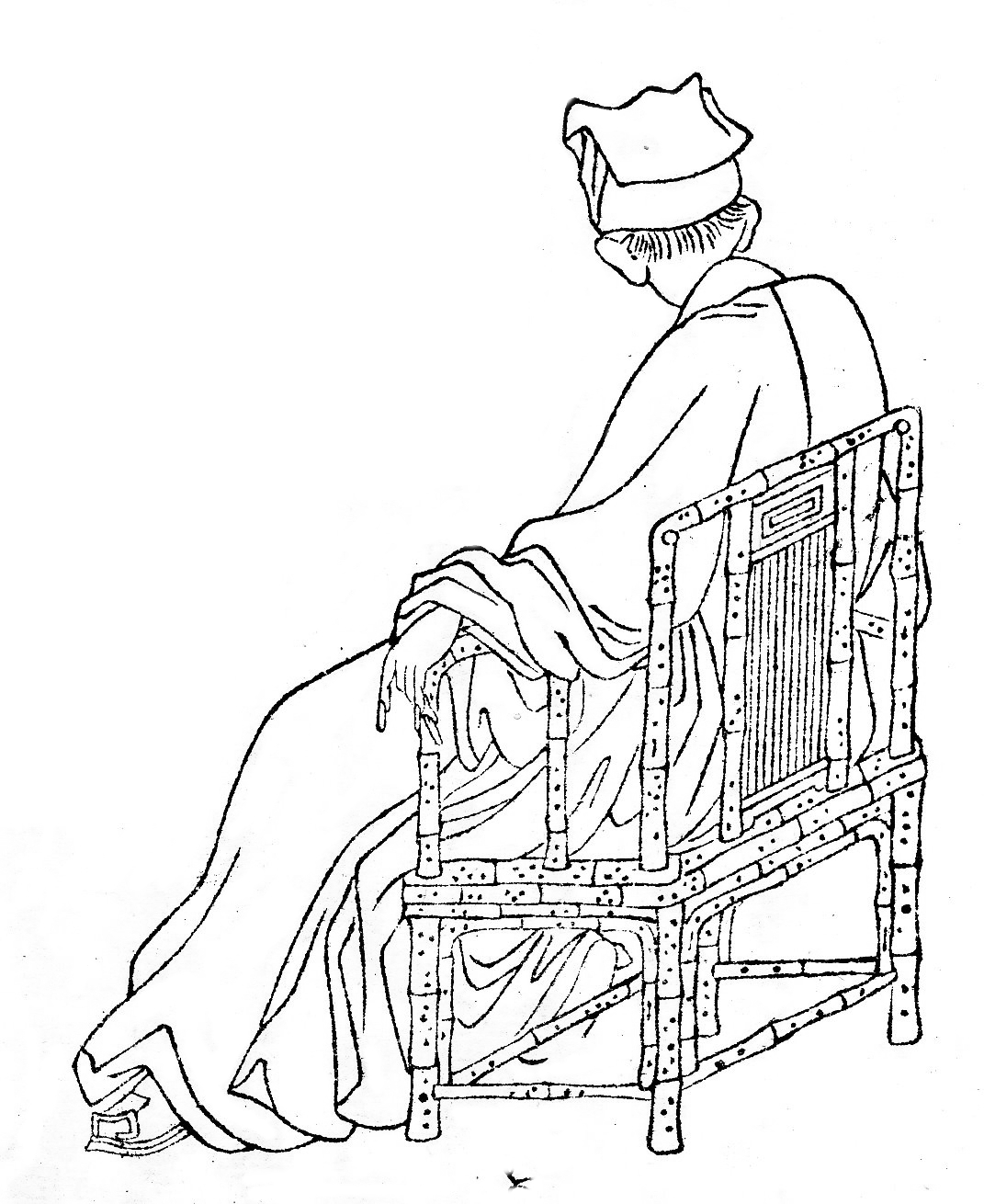
Nobody in sight on the empty mountain
but human voices are heard far off.
Low sun slips deep in the forest
and lights the green hanging moss.
Bells stir in the mouth of the gorge.
Few fishermen and woodcutters are left.
Far off in the mountains is twilight.
Alone I come back to white clouds.
Weak water chestnut stems can’t hold still.
Willow catkins are light and blow about.
To the east is a rice paddy, color of spring grass.
I close the thorn gate, seized by grief.
I dismount from my horse and drink your wine.
I ask where you’re going.
You say you are a failure
and want to hibernate at the foot of Deep South Mountain.
Once you’re gone no one will ask about you.
There are endless white clouds on the mountain.
Silken willows along the meandering river are lines of smoke.
With warm air, water of the cold valley evaporates.
Spring is like this embroidered path.
Now I hear clear music, stirring even the beautiful clouds.
In spring tree shrouding palace windows,
a spring oriole sings dawn light into song.
It sets out to startle the world, stops short,
flutters here, there. Return impossibly far,
it hides deep among dew-drenched leaves,
darts into blossoms and out, never settled.
We wander life, no way back. Even a simple
birdcall starts us dreaming of home again.
You just came from my old village
so you know all about village affairs.
When you left, outside my window,
was it in bloom—that winter plum?
Wind buffets and blows autumn rain.
Water cascading thin across rocks,
waves lash at each other. An egret
startles up, white, then settles back.